
Leadville History
A story as big as the mountains.
Before it was Leadville, this area was called Oro City — a gold camp during Colorado’s first major mineral rush. Then came silver, and the town boomed again. At its peak, Leadville was one of the richest cities in the country and home to some of the West’s wildest stories — outlaws, barons, labor strikes, and lavish opera houses. Today, that history lives on in the buildings, museums, and characters you’ll meet around town. And with new artists, entrepreneurs, and adventurers arriving every year, the story’s still being written.
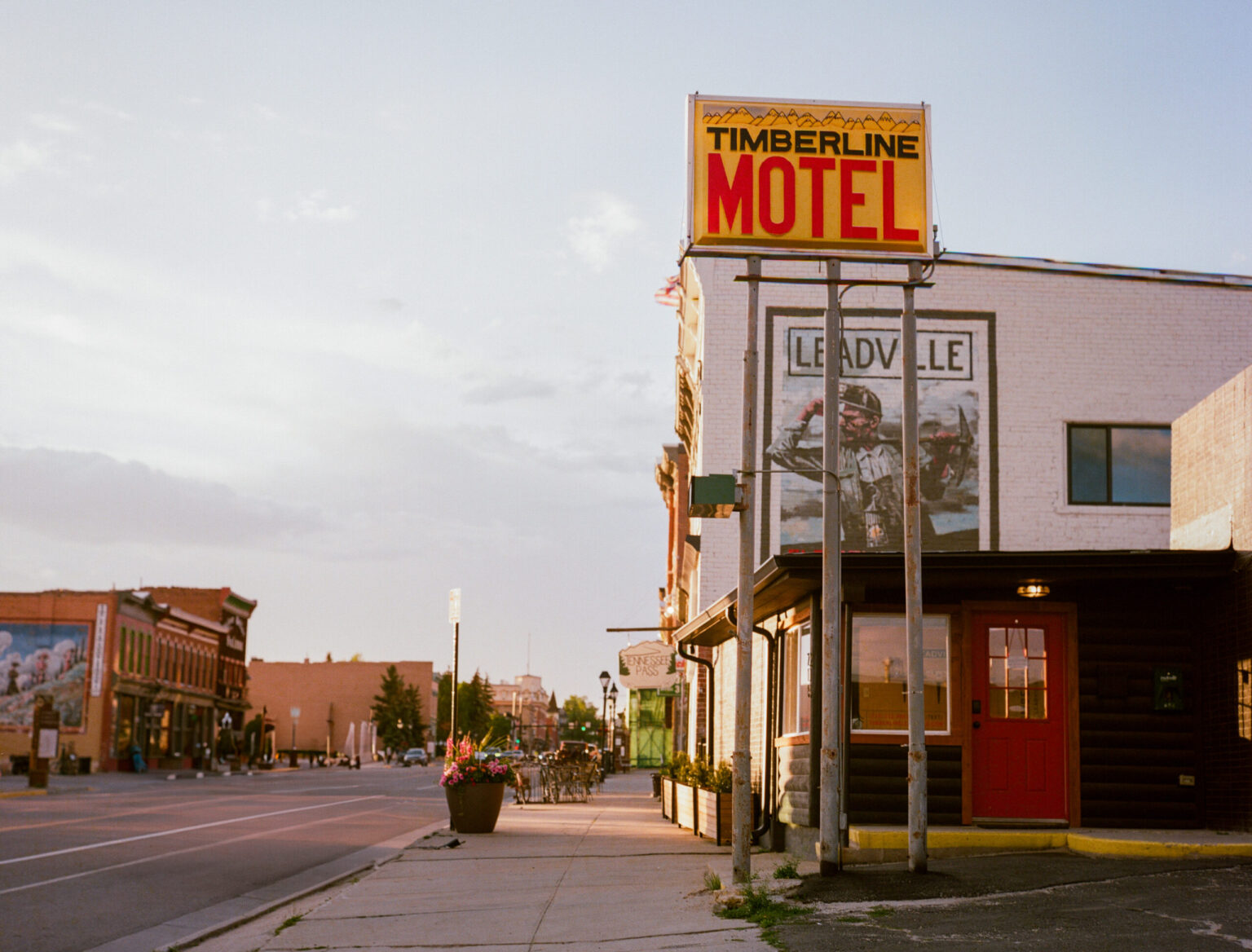
Oro City and the gold
Gold turned up in California Gulch in April 1860, and the camp that grew around it took the name Oro City. The gold ran thin within a few years, but the heavy lead ore in the same ground did not. In 1874 two prospectors, Stevens and Wood, had it tested: lead carbonate, full of silver. That test is the reason there is a Leadville.
“They afterwards took me to a dancing saloon where I saw the only rational method of art criticism I have ever come across. Over the piano was printed a notice:
Please do not shoot the pianist.
He is doing his best.”
The silver boom
A post office opened under the name Leadville in July 1877. The town incorporated at the start of 1878 with a few hundred residents. By the end of 1879 it held about 30,000 people, nearly the size of Denver. The big strikes of 1878, the Little Pittsburg, the Chrysolite, and the Matchless, made fortunes in months. Seventeen smelters went up, with more than 100 miles of railroad track to feed them.
It ended the way silver towns ended. In 1893 the Sherman Silver Purchase Act was repealed, silver collapsed, and most of the mines closed. The town never got that big again, and it never left either. At 10,152 feet, it is still the highest incorporated city in the country.
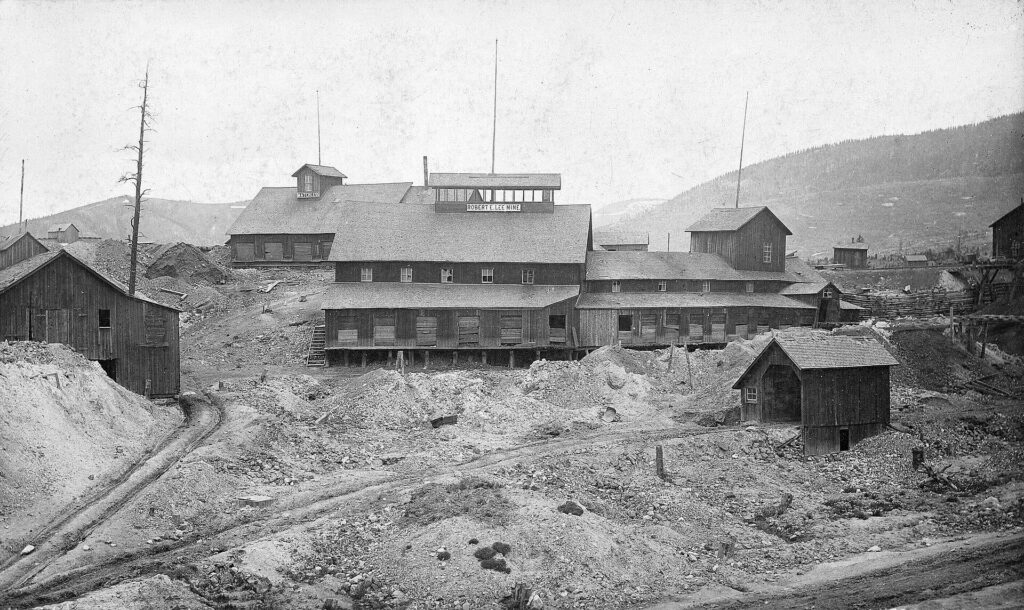
The Robert E. Lee Mine, Leadville, photographed by William Henry Jackson sometime between 1879 and 1894.
The characters
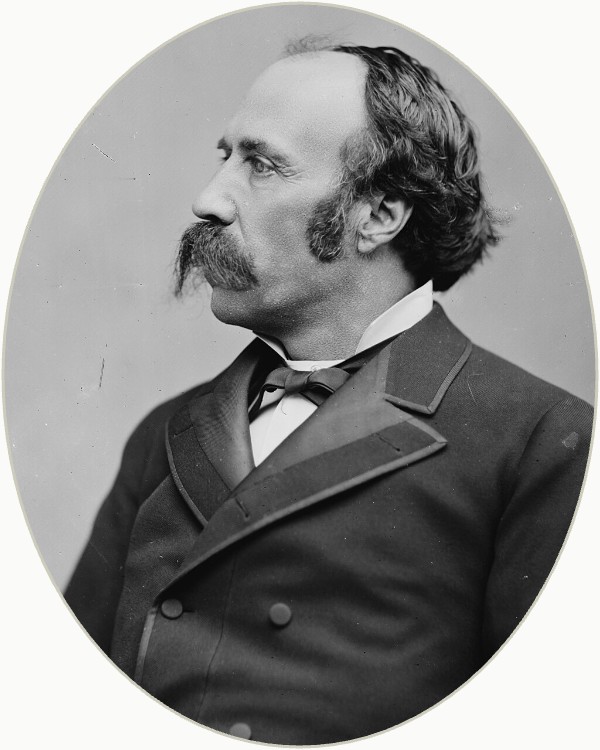
Horace Tabor
Ran a general store here with his wife Augusta and grubstaked prospectors, fronting their supplies for a share of what they found. In 1879 he built the Tabor Opera House in 100 days. In 1880 he bought the Matchless Mine for $77,850 after the town had written it off as Tabor’s Folly; it was producing rich ore within two months. He served as Lieutenant Governor and, briefly, U.S. Senator, left Augusta, and married Elizabeth “Baby Doe” McCourt in 1883. The Matchless played out by 1887, the crash finished him, and he died in 1899.
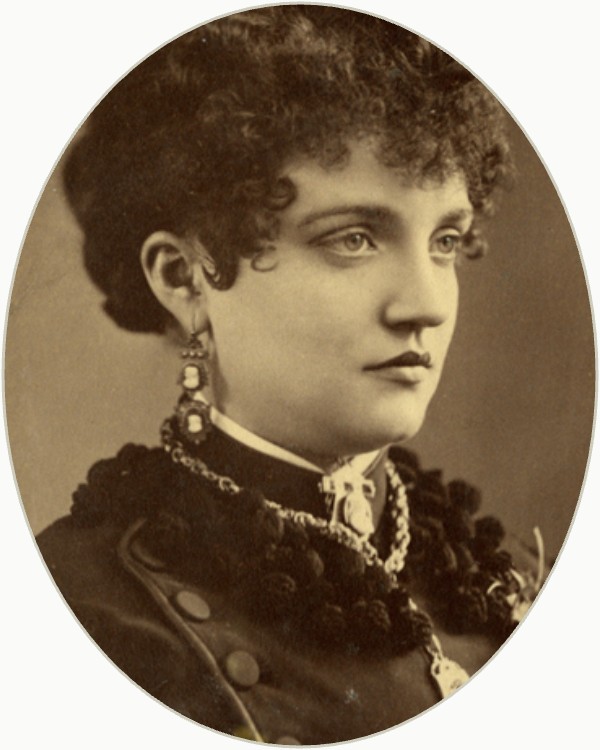
Baby Doe Tabor
Kept the mine. She leased and promoted the Matchless for the rest of her life and died in the cabin there in the winter of 1935; her body wasn’t found until March 7. The legend says she froze, destitute. The National Mining Hall of Fame, which runs the site today, notes she had food, coal, and money when she died.
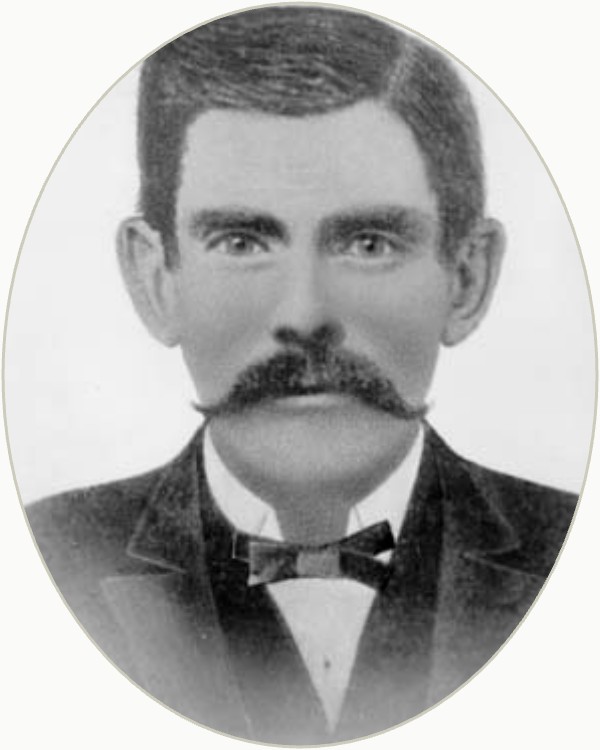
Doc Holliday
Lived in Leadville from 1883 to 1887, sick and gambling. In August 1884 he shot and wounded Bill Allen, the last man on record he ever shot, and was acquitted the next March. He is said to have been a regular at what is now the Silver Dollar Saloon.
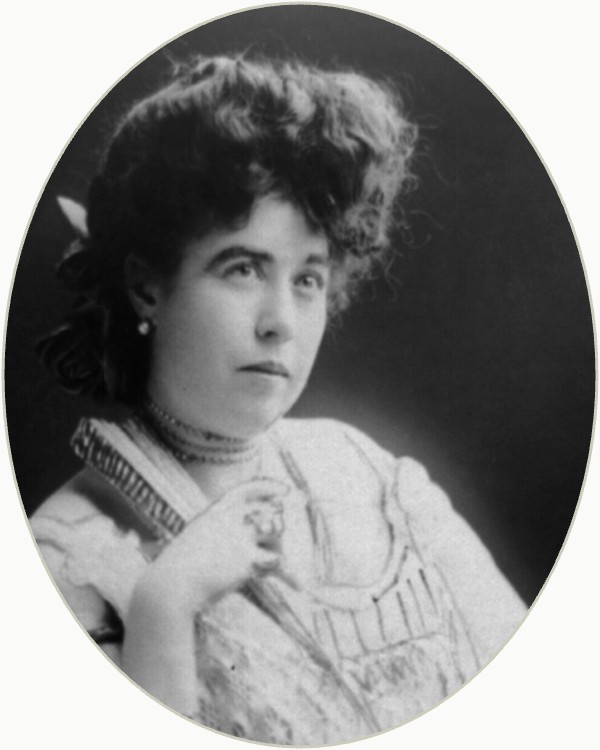
Molly Brown
Came to Leadville as Margaret Tobin, a teenager who sewed carpets and drapes at a dry goods store on Harrison Avenue. In 1886 she married J.J. Brown, a miner, at Annunciation Church. The Browns left for Denver in 1894. In 1912 she survived the Titanic and became the Unsinkable Molly Brown.
Portraits: Library of Congress (Tabor, Brown) and Wikimedia Commons (Baby Doe Tabor, Holliday). All public domain.
The Irish miners
Most of the people who dug the silver were not barons. Many were Irish, some from the copper-mining village of Allihies in County Cork. About 1,300 miners from the silver days, most of them Irish, lie in unmarked graves in the pauper section of Evergreen Cemetery. Dr. Jim Walsh of the University of Colorado Denver led the research that put names to them. On September 16, 2023 the Leadville Irish Miners’ Memorial, a sculpted miner holding a pickaxe and a harp, was dedicated there. Leadville and Allihies are sister cities now.
The Ice Palace
With the town shrinking after the crash, Leadville built a palace out of ice on the hill between West 7th and West 8th Streets. It opened New Year’s Day 1896 with a skating rink, two ballrooms, a restaurant, and a toboggan run. The last day was March 28. By October it was gone. People are still talking about it.
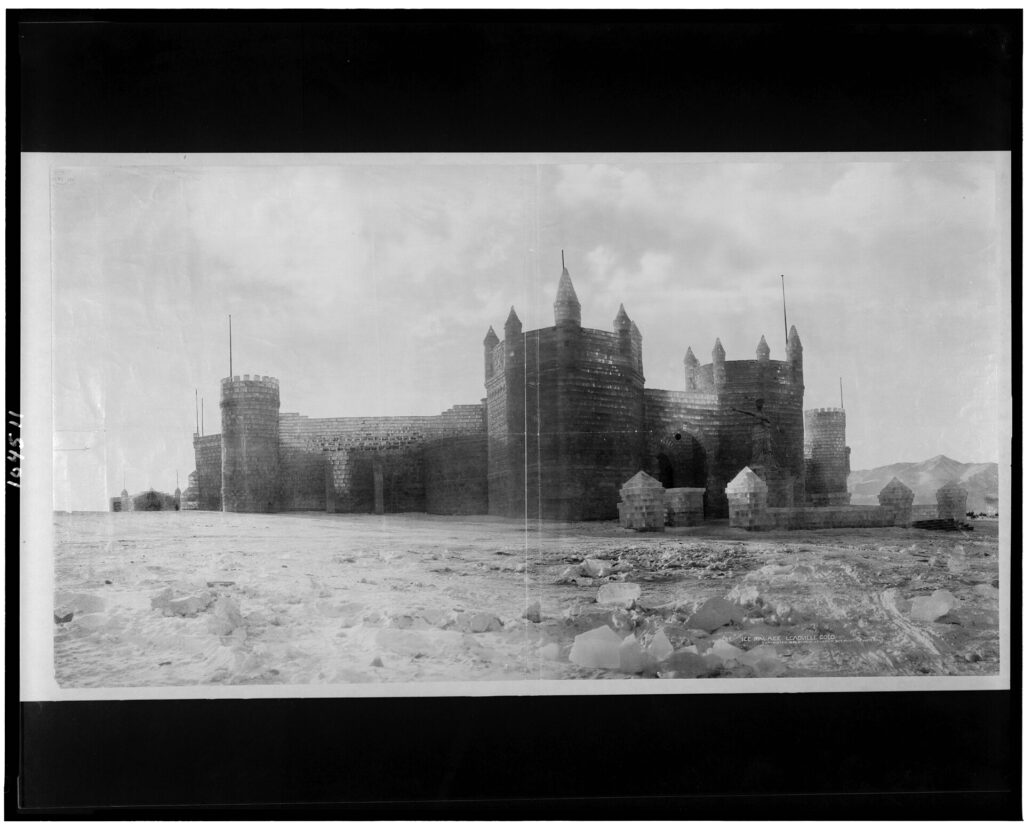
The Ice Palace, 1896. Photo by William Henry Jackson, Library of Congress.
Living History
Leadville did not become a ghost town. The Climax mine opened in 1918 and by the late 1920s produced most of the world’s molybdenum. Camp Hale, north of town, trained the 10th Mountain Division from late 1942 to 1944. The Leadville Trail 100 started in 1983. In 1987 the town brought the National Mining Hall of Fame and Museum here, into the 1899 building that was once Leadville High School. In 2016 the city bought the Tabor Opera House, and its preservation foundation has been rehabilitating it in phases since 2020.
Downtown is a National Historic Landmark District, and many of the buildings on Harrison Avenue went up during the boom. You can walk the whole thing in twenty minutes from our door.

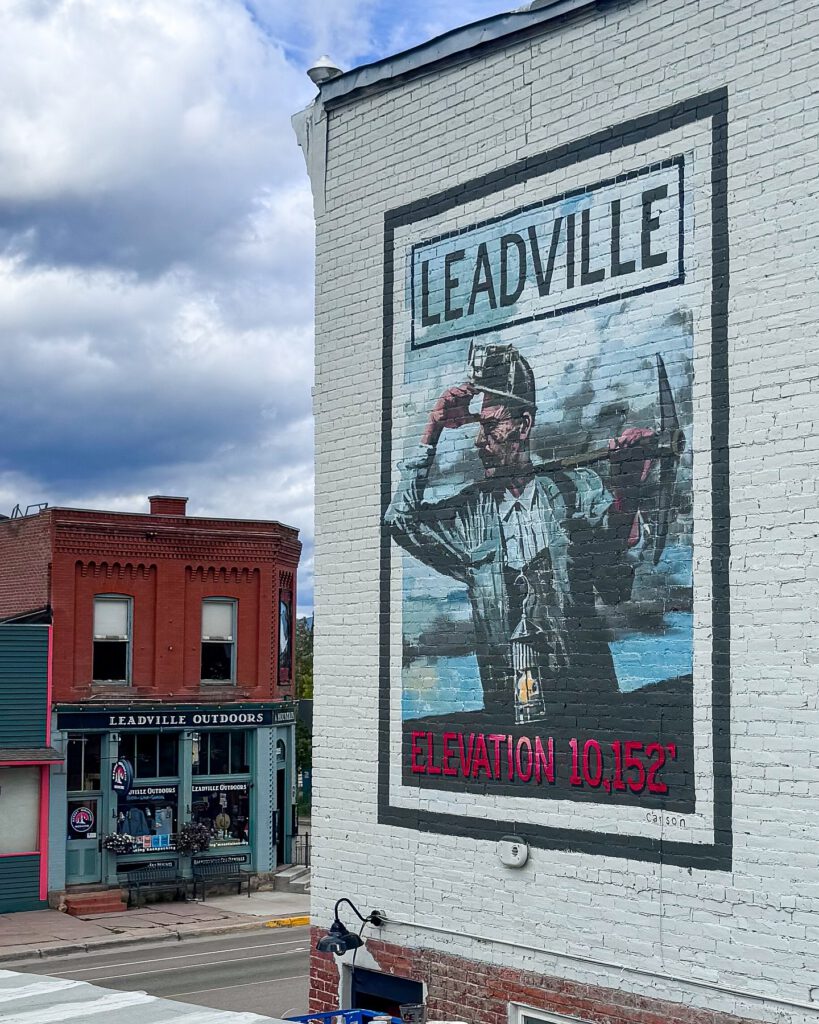
Left: the Tabor Opera House, built in 1879, on skijoring weekend. Right: the Silver Miner mural on our own brick wall at 216 Harrison.